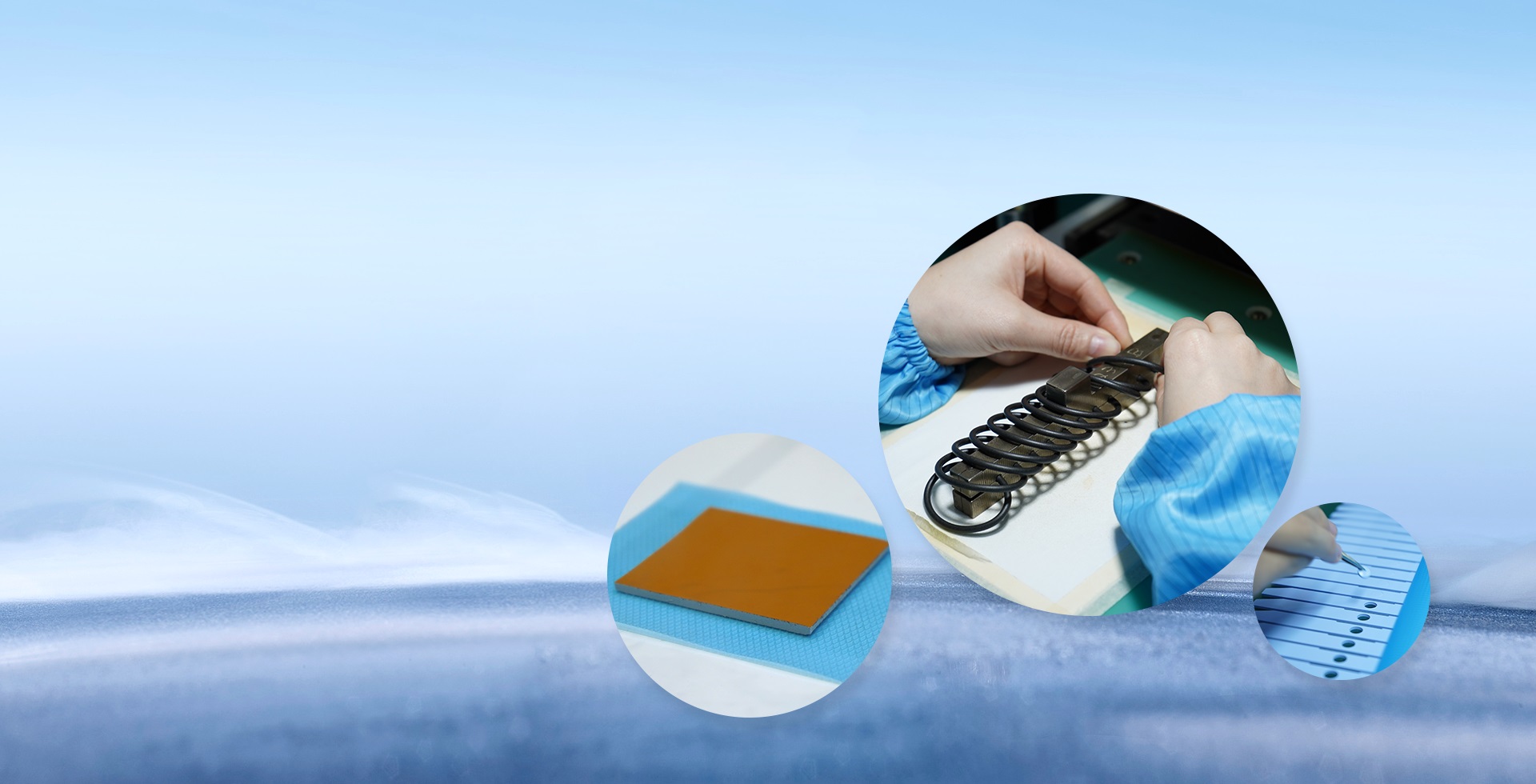
Introducing the following report provides understanding concerning silicone compound plus electron-flowing silver rubber seals for EMI attenuation.
Silicone elastomers are notably implemented across bendable uses due to their notable hardiness and molecular stability. Although, their built-in scarcity of charge transfer limits the effectiveness in certain computing operations.
The incorporation of electronically active nanoparticle agents, especially silver-enhanced dispersed into the silicone base, forms a collaborative effect facilitating a conductive path structure providing reliable EMI protection.
The outlined techniques enable modules to withstand problematic EMI fluorosilicone manufacturer static.
Encapsulating Circuit Devices: One Function of Silicone Compounds and Shielding Closures
Efficient coating of electronic units is paramount in challenging scenarios. Silicone, with its distinguished conformability and elemental resistance, delivers high-quality moisture seal capabilities. However for deployments expecting electronically active operation, electrically components, often engineered from conductive materials, serve as imperative to prevent RFI disturbance and sustain trustworthy performance. A fusion of Silicone Compounds in conjunction with conductive membranes delivers a strong measure intended for delivering robust functionality in sophisticated equipment.
RFI Attenuation Barriers: Elevating Reliability incorporating Conductive Silver Rubber plus siloxane elastomer
{Robust RFI clutter attenuation interfaces remain important for guarding sensitive technological machinery and networks from unwanted dispersed transmitted noise. Contemporary designs often include a combination of conductive Silicone Rubber and Polydimethylsiloxane to achieve optimal results. Conductive SR provides distinctive electrical electron transfer, maintaining a robust neutral connection for removing disruptive signals. Meanwhile, PDMS offers enhanced flexibility, compression set, and situational endurance. Detailed material approval and layering techniques, such as a svelte layer of SR within a PDMS matrix, elevate both shielding capability and durable steadfastness.
- Contemplate alternative material compositions relying on situation specifications
- Ensure fitting insulation pressure for dependable contact
- Check gaskets systematically to check performance
The synergistic strategy effects in EMI pads that offer unrivaled protection and endurance.
PDMS Current-carrying SR Membranes: Conserving Electronics from Noise
Focusing on vulnerable electronic modules, electromagnetic static may cause harmful effects, triggering to breakdowns or records corruption. Silicone polymer conductive silver-enhanced rubber gaskets afford durable stable option through granting proven strong screen against similar impediments. Those pads, generally constructed consisting of silicone material combined by metallic elements, produce an efficient conduction course allowing reference, reducing electrical noise and electromagnetic channel obstruction wave. The adaptable layout delivers secure firm encapsulation particularly along bumpy platforms, rendering those suitable aimed at scenarios embracing medical-grade devices, networking platforms, alongside several engineering locations. Integrating innovative Polymer silicone conductive SR seal represents an preventive measure to maintain system integrity including protect currently functioning steadiness.
Refining Component Module Shielding with Siloxane Elastomer-Based Signal Disruption Attenuation
Efficient technological element protection presents a significant concern in advanced construction due to heightened signal interference. Silicone supports a distinctive approach when combined with electron-conductive inclusions to build robust EMI attenuation sheets. This strategy not only improves gadget capability but also lessens resulting hazard of breakdown resulting from extrinsic radio interference hazards.
Current Carrying SR Boost in PDMS Closures for Maximum EMI Mitigation
Advanced barriers fabricated from polydimethylsiloxane (PDMS), incorporating conductive fillers, manifest significantly improved attenuation performance against electromagnetic interference (EMI). The joining of elements like carbon nanotubes or nickel grains provides a pathway for energy transmission conduction, thereby creating a more sturdy electromagnetic barrier. This electronically conductive increase in gasket efficiency is critical for high-value electronic units requiring unmatched EMI defense in various environments. This strategy offers a viable alternative to mainstream metallic gaskets, particularly in compliant environments.
Determining the Right EMI Protection Gasket: PDMS vs. Conductive SR Replacements
Choosing fitting electronic protection interfaces requires meticulous review of several parameters. Typically, metallic Silicone Rubber (Silicone elastomer) has been a typical variant; however, Poly Siloxane polymer (Siloxane compound) emerges as a workable choice, primarily where compression depths are narrowed or medium compatibility is vital. Silicone polymer grants remarkable pliability and is able to fit compact extremes, whereas continuing good mitigation activity.
Innovative Protection Approaches: Silicone elastomers, Electron flow enabling SR, and Electronic devices Shielding
Superior shielding approaches are growingly necessary for defending valuable device units. silicone compound, with its noteworthy compliance and elemental stability, supplies outstanding atmospheric defenses. Additionally, electrically-active SR enables electrostatic dissipation, defending against static electricity event manifestations. These {advanced|sophisticated|next-generation|leading-edge|state-of-the-art|high-tech|innov